तलवारों के सूट · 14 का Swords
तलवार का राजा टारो ताश का अर्थ
- सही
- स्पष्ट अधिकारनिष्पक्ष न्यायबौद्धिक आदेशनियमसिद्धांतहीन निर्णय
- उलटा
- कठोर क्रूरताचालाकदया के बिना नियमन्याय भ्रष्ट
- हाँ या नहीं
- हाँ
- अवयव
- Air
- ज्योतिष - विद्या
- Fire of Air
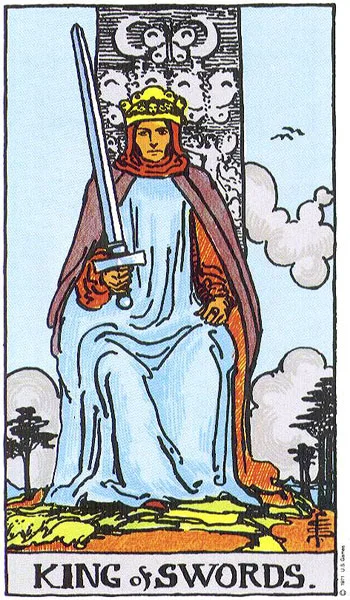
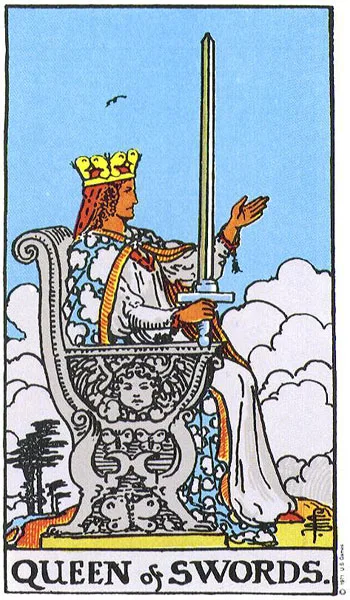
कार्ड क्या दिखाता है
चार राजाओं में से एक सीधे रूप से, यह एक पत्थर की राजगद्दी पर बैठे एक न्यायी के पीछे एक न्यायी के रूप में एक न्यायाधीश के रूप में बैठे. वह अपनी तलवार सही हाथ में सही, न्याय में सिर्फ एक दया के लिए, न्याय के साथ, जबकि उसके बाएँ हाथ उसकी गोद पर है. उसकी ब्लू टाइट और बैंजनी sphatting और उसके पीछे एक सिंहासन, उसके पीछे एक sphating, और उसके पीछे एक पक्षी के साथ बैठ गया है, उसके पास एक पक्षी के पास, उसके चारों ओर एक हवा के चारों ओर खड़े हैं. वह अब भी हवा के चारों ओर चला गया है, वहाँ एक विशाल आकाश के चारों ओर एक विशाल आकाश. वह एक विशाल आकाश के चारों ओर एक विशाल आकाश के चारों ओर एक विशाल आकाश के चारों ओर खड़ा है, और एक विशाल आकाश के चारों ओर एक विशाल आकाश के चारों ओर था.
तलवार का राजा: सीधा अर्थ
संक्षिप्त में: कॉल ठीक से करें, तथ्य इकट्ठा करें, भावना को तौलो, और एक स्पष्ट निर्णय आप खुद होगा.
किसी को फोन बनाने के लिए, इस कार्ड का सही तरीके से इस्तेमाल करना है. तलवारों का राजा अपनी पूरी तरह से न्याय करता है, जानकारी जमा करने के तरीके, विचार, तर्क और उसके भार के अनुसार लागू किया गया है. हवा की आग के रूप में, वह केवल स्पष्ट नहीं है लेकिन स्पष्ट है कि निर्णय लिया है. जब वह निर्णय लिया, एक समझौता किया गया है, और एक मामले की जाँच की, और एक विधि, एक विधि के बारे में बात की, और अपने निर्णय पर विचार, और अपने निर्णय पर एक कार्यक्रम के माध्यम से, एक प्रतिष्ठित निर्णय के लिए. यह एक प्रतिष्ठित निर्णय, एक प्रतिष्ठित निर्णय है कि एक आदमी के लिए एक प्रतिष्ठित निर्णय, और एक महान निर्णय के लिए है कि एक आदमी के लिए, और एक महान निर्णय के रूप में शामिल है कि क्या है कि आप के लिए एक बिट के लिए एक बिट के लिए है.
तलवार का राजा: उलटा अर्थ
संक्षिप्त में: वही तेज दिमाग, बिना किसी फ़ैसले के — बुद्धि के प्रयोग से स्पष्टता के बजाय, न्याय, शासन नहीं करते.
एक व्यक्ति, तारसी, पूर्व, या अधिकारी, जो कभी ग़लत नहीं हुआ है, यह एक कठोर विचार है कि आप लोगों के प्रति दया को किस तरह रोका है, यह एक ऐसी दया नहीं जो किसी भी प्रकार के साथ नहीं रह सकती ।
तलवार का राजा: सम्बन्धों से प्रेम (t)
सही
जो साथी के साथ प्यार करता है, वह अपने साथी से प्यार करता है: वफादार, सीधे - सीधे काम करने और बातचीत करने में बहुत माहिर हो सकता है । इसके बजाय, हिम्मत के शब्द ध्यान से सुने तो वे देशी भाषा हैं. यदि कार्ड सलाह है, तो एक गरम परिस्थिति में तर्क कीजिए: जो आप चाहते हैं, उसे शांत और फिर एक बार फिर कहना.
उलटा
डी. के लिए एक निर्णय लिया है, और एक विवाद बंद नहीं किया जाना चाहिए, न ही एक विवाद जो रिश्ता को प्रभावित करता है ।
तलवार का राजा: करियर व पैसा
सही
नेतृत्व, कानून, रणनीति, और किसी भी निर्णय के लिए अटल न्याय अधिकार: पुनःप्रयोग, नियम, नियम, सिद्धांत, सिद्धांत की शर्तों. विशेषज्ञ अब आप पर अनुग्रह करते हैं, और एक भुगतान करते हैं. वित्तीय रूप से, वह अनुशासन है कि एक शांत घंटे में नियम सेट करें कि फिर पूर्वोत्त्वात्मक लोगों को नियंत्रित करते हैं. एक बार निर्धारित करें, लिखने के लिए, और लिखने के लिए, और किसी भी निर्णय पर निर्भर करने के लिए.
उलटा
अधिकार का उल्लंघन करते हुए: अधिकार के पद का दावा किया गया, नीतियाँ चुनावों को उचित ढंग से लागू करती थीं, निर्णयों को सुधारने के बजाय बातचीत समाप्त करने के लिए जटिल, जटिल कार्यवाही लागू कीं ।
तलवार का राजा: हाँ या नहीं?
हाँ.
जी हाँ, यह सवाल अदालत में खड़ा हो सकता है. तलवारों का राजा जो भी सही है, वह काफी सही है, और अच्छी तरह से संचालित किया गया, और वह इसे दृढ़ता से दूर किया. यदि आपकी योजना भावनाओं, भाग्य, या तकनीकीता को पूरा करने के लिए, उसकी हाँ वापस ले लो. अपने मामले को एक निष्पक्ष न्यायाधीश के रूप में रखो, यदि यह पूरी तरह से सहमति के साथ आगे बढ़ते हैं. यदि आप एक अच्छा निर्णय करते हैं, तो यह पूरी तरह से, जो कुछ भी हो सकता है, वह आपको पूरा अधिकार है.
संबंधित कार्ड
बार बार पूछे जाने वाले प्रश्न
क्या यह कार्ड आज आपको मिलेगा?
इस कार्ड को जीवित पढ़ने में खींचो →