Ցուցադրել ցուցակը · 4 Դադար Swords
ագռավային չորս Տարոտի քարտի իմաստը
- Տեղադրել
- հանգստանալվերականգնվելհետ քաշվելմտավոր հանգստանալվերադասավորվել
- Հակադարձ
- Ցավանհանգստությունուշացումանհանգստության վերջ
- Այո կամ Ոչ
- Գուցե
- Էլեկտրոնային փոստ
- Air
- Աստղաբանություն
- Jupiter in Libra
Ի՞նչ է ցույց տալիս քարտը
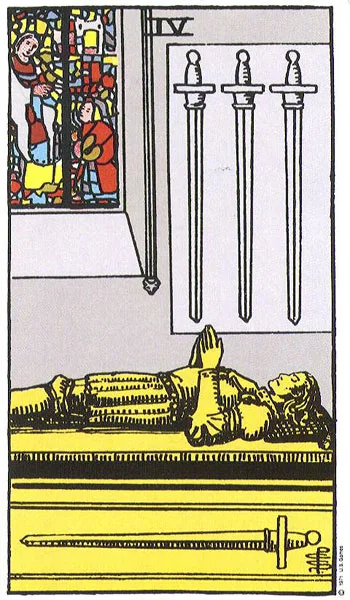
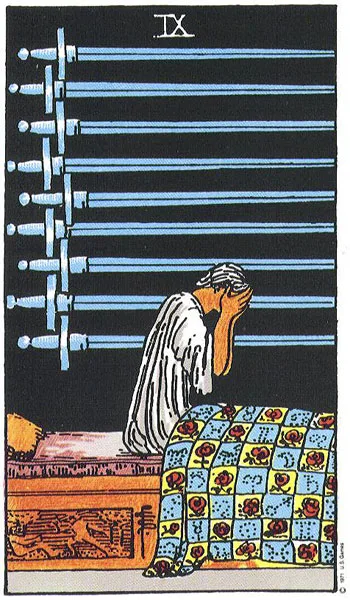
Մի անձայն եկեղեցու մեջ, մի հեծելազորային լեռան վրա է նստած, նկարված է կերպարով, ձեռքերը միմյանց են կապված, ինչպես աղոթքի ժամանակ։ Նրա վրա երեք զենք է կախված պատից, ցած է ուղղված, չորրորդը դրված է գերեզմանի եզրին, ցածր է, անգործ։ Առանց ջահելության, աչքի է ընկնում գորգով պատուհանը, որը ցույց է տալիս ծնկած մարդուն օրհնող մարդուն։ Չնայած հանգուցյալի համար նախատեսված սենյակներին, այս տեսարանում ոչինչ չի հիշեցնում մահ։ Այն հիշեցնում է զինվորի, ով վերջապես կարողանում է քնել։
ագռավային չորս: Ցուցադրել
Առաջին քայլը. Առողջությունը հաջորդ անհրաժեշտ քայլն է, ոչ թե պարգևը, հեռացիր և թող քո մտքերը դուրս գան քո զենքից։
Առողջացումը չի պարգևում պայքարը ավարտելու համար։ Որոշ դեպքերում դա հաջորդ պահանջվող քայլն է։ Սաղմոս 4-ը հայտնվում է, երբ ձեր մտքը չափից շատ երկար ժամանակ է եղել զենքի մեջ, հակամարտությունից, հիվանդությունից, վերջնական ժամանակահատվածից կամ ցավից հետո, և հրահանգում է գիտակցված հետ քաշվել՝ ավելի քիչ ներդրում, ավելի քիչ կարծիք, իրական քուն։ Նկատեք, որ պատին կախված են երեք սաղմոսներ, սա չի նշանակում հանձնվել, և մարտերը դեռ կշարունակվեն։ Այն է տեխնիկական ընդմիջումը, որը հնարավորություն է տալիս հաղթել։ Յուպիտերը Կշեռքում տալիս է ընդմիջման իր համը, մեծահոգի և վերականգնող, քան պատժիչ։ Եթե դուք սպասում եք կանգ առնելու թույլտվությանը, այս քարտը թույլտվություն է։ Եթե դուք չեք կարող ամբողջությամբ կանգ առնել, կառուցեք փոքրիկ հանգստյան վայր՝ մեկ պաշտպանված ժամ, մեկ լռված առավոտ, մեկ շաբաթվա վերջում հեռախոսը մութ է։
ագռավային չորս: Չեղյալ
Առաջին քայլը. Յուրաքանչյուրը կամ վերջանում է կամ մերժվում է, կամ հանգիստ վերադառնում է, կամ էլ դադարում է ջանք գործադրել, երբ դու փակ ես։
Առողջացումը ավարտվում է կամ ձախողվում է։ Ավելի լավ ձևով, հակառակ ձևը նշանակում է, որ վերականգնումը ավարտվել է և անշարժությունը սկսել է թաքնվել՝ դուք հանգստանում եք, և հաջորդ քայլը նորից մտնելն է, հանգիստ։ Ավելի դժվար ձևով, դա նշանակում է, որ առողջացումը մերժվում է, դուք վազում եք օդում, կոչ անում հանգստանալ կամ վերադարձել մարտի դաշտ, մինչև դուք բուժվեք։ Կենդանի մարմինն ու մտքը վճարում են այս պարտքը տոկոսներով։ Եթե դուք անկեղծորեն չեք կարող ասել, թե որ ընթերցումն է համապատասխանում, ապա այդ անհնարինությունը ինքնին հանգստացման նշան է։ Առաջին ընտրեք առողջացումը։
ագռավային չորս: սիրո և հարաբերությունների
Տեղադրել
Համագործակցության դադար, որը բուժում է, այլ ոչ թե սպառնում։ Խորհրդակցելու ժամանակը նույնը չէ, ինչ հեռանալը, և ձեզանից մեկը կարող է որոշակի ժամանակի կարիք ունենալ։ Միակ, այս քարտը հաճախ նշանակում է, որ ձեր սիրտը վերականգնման փուլում է։ Ձեր պատրաստ լինելուց առաջ հանդիպումների պարտադրումը հանգեցնում է անարդյունավետության։ Առողջ մնացեք և հետո իրականության մեջ տեղ գտնեք։
Հակադարձ
Ձեր ուշադրությունը կամ վերադարձել է, պատրաստ է նորից կապվել ժամանակի բացակայությունից հետո, կամ անհրաժեշտ ընդմիջումն արգելվում է և ամեն մի փոքր հակասություն հանգեցնում է նյարդերի լարվածության։ Երեկոյան երկու մարդկանց միջև տեղի ունեցած բանավեճը իրական բանավեճ չէ։ Գնացեք քնել, հետո խոսեք։ Եթե ձեր ընկերը խնդրում է ժամանակ, հակառակ դեպքում զգուշացրեք, որ դա չի կարելի ընկալել որպես մերժում։
ագռավային չորս: Ֆինանսական
Տեղադրել
Ավելի լավ է ետ կանգնել, քան թե հանգիստ մնալ և որոշել ինչ- որ մեծ բան։ Այս քարտը նախընտրում է արձակուրդներ, արձակուրդներ, տնօրինել և թողնել, որ նախագիծը շնչի մինչև հաջորդ քայլերը։ Փոխանակ ֆինանսական առումով խորհուրդ է տալիս հանգիստ պահել, առանց դժվարին քայլերի, պարտավորությունները պահել իրենց տեղում, մինչ դուք վերականգնում եք մեծ որոշումների համար անհրաժեշտ դատողությունը։
Հակադարձ
Վերադարձ աշխատանքի վերսկսվել է, կամ վերադարձվել է շատ շուտ, և տարբերությունը կարևոր է: Եթե հանգստանալ է տեղի ունեցել, կրկին մտնել նպատակային ավելի քիչ պարտավորությունների հետ, քան նախորդ. Եթե դա երբեք չի եղել, մոռացված կենտրոնացումը և կարճ ջերմաստիճանը, որ դուք նկատում եք տվյալներ են. Burnout հայտարարված է էժան է, քան burnout ցույց է տրվել.
ագռավային չորս: այո՞, թե՞ ոչ։
Գուցե.
Բացառություն է կազմում 4-րդ քարտը, որը պատասխանում է միայն այո կամ ոչ, այսինքն՝ այն կարելի է դիտարկել որպես ուշացումը ապահովող հարց։ Որպեսզի հարցը լավ լինի, պետք է այն արագ լուծել։ Եթե հարցը հանգստանալու, հետ քաշվելու կամ հետաձգելու մասին է, ապա պատասխանը դառնում է այո՝ կանգ առեք և կանգ առեք ճիշտ։
Համապատասխան քարտեր
Հաճախակի տրվող հարցեր
Այս քարտը կգտնի՞ ձեզ այսօր։
Տեղադրել այս քարտը կենդանի կարդալության մեջ →